Harnessing the Power of EdTech: Transforming Education Through Digital Classrooms and Online Learning
Gone are the days when schools were confined to brick-and-mortar buildings and learning revolved around physical textbooks. Welcome to the era of e-learning and virtual classrooms! With the advent of advanced educational technology, the landscape of education has undergone a dramatic transformation. From interactive webinars to Massive Open Online Courses (MOOCs), the shift from traditional school to web-based learning is reshaping the future of education. But what exactly is driving this evolution in online learning? And how can we harness its full potential?
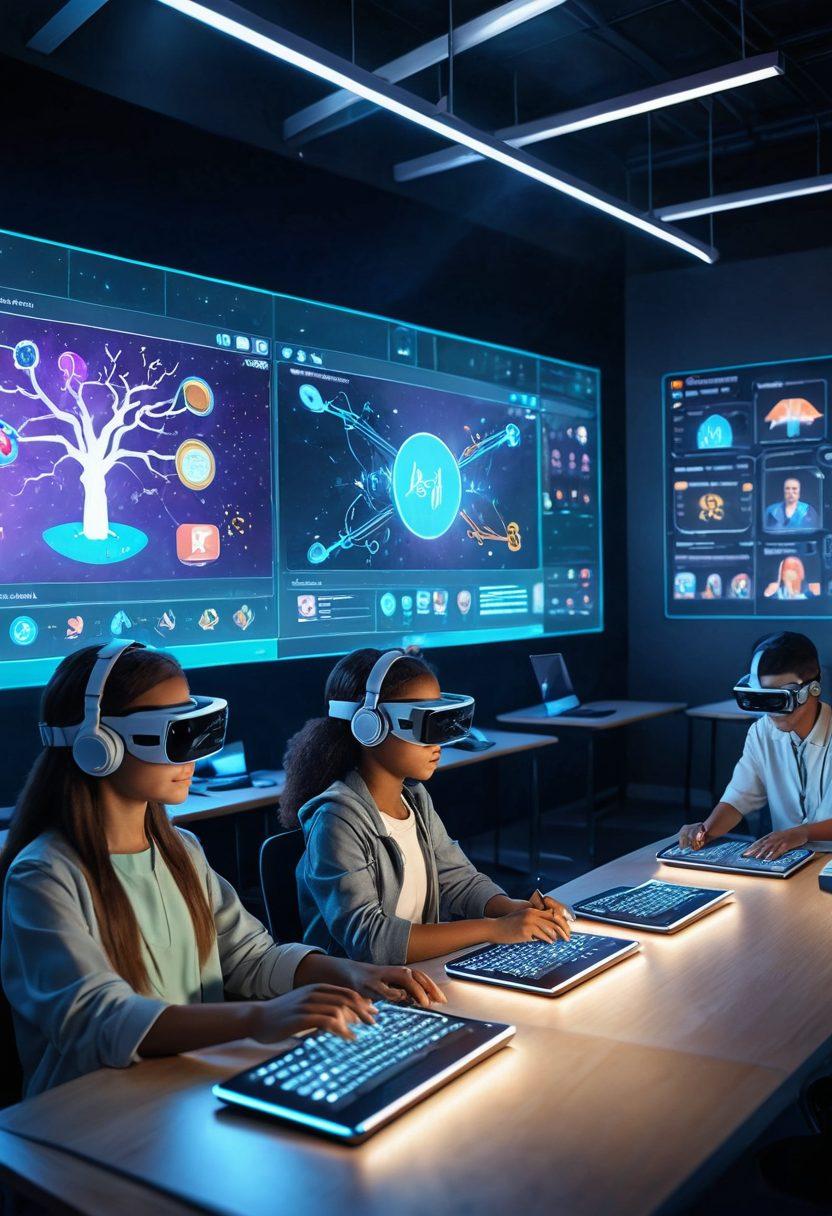
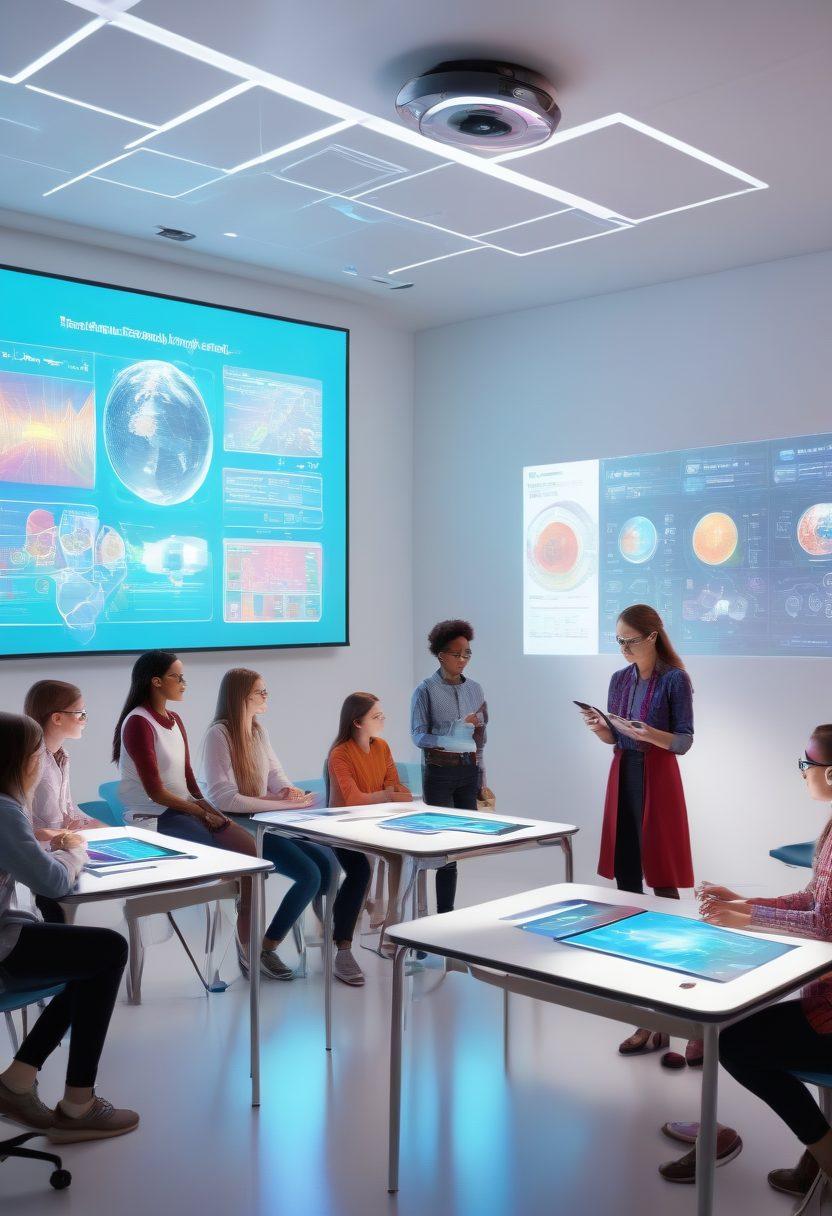
Just picture this: a student in a digital classroom interacting in real-time with peers and instructors from across the globe. This isn't a scene from a futuristic movie—it’s today’s reality. Remote education, facilitated by robust learning management systems (LMS), has made a global classroom possible. Distance learning is now enriched with dynamic tools that foster interactive learning. This shift to virtual learning environments is not just about substituting physical classrooms with virtual ones but enhancing the overall educational experience. Imagine a blended learning approach where students engage in a flipped classroom model. They absorb content through online instruction and dedicate classroom time to solving problems and collaborating on projects.
While this may sound like a dream-come-true for modern learners, it's worth asking: how did we get here? The rise of e-learning can be traced back to the meteoric growth of the internet and advancements in digital education technologies. The availability of online courses has democratized access to quality education. Now, a student in a remote village equipped with an internet connection can access the same high-caliber instruction as someone in a bustling urban area. It’s as if the world became a giant cyber school, ensuring no one is left behind, irrespective of geographical constraints. Internet education is bridging gaps that traditional schooling systems have left unresolved for decades.
But the journey doesn’t stop here. In fact, it’s only beginning. The true power of virtual classrooms lies in their ability to personalize education. Utilizing sophisticated AI algorithms, today's e-learning platforms can adapt the curriculum to meet the unique needs of individual students. This level of personalization in online education translates to more engaged and motivated learners. Moreover, interactive learning modules and virtual simulations provided in digital classrooms offer hands-on experience that's often not feasible in traditional settings. The result? Students who are not just passive recipients but active participants in their educational journey.
The revolution in edtech is undeniable, but like all significant shifts, it comes with its own set of challenges. Concerns over digital equity, screen fatigue, and the need for robust cybersecurity measures can't be overlooked. However, with thoughtful implementation and continuous refinement, the benefits of e-classrooms can far outweigh the drawbacks. As we continue to innovate in online learning and leverage learning management systems (LMS) more effectively, it becomes clear: the digital transformation in education is not just a phase but the future. So, are you ready to embrace this exciting shift and harness the untapped potential of e-learning? The classroom of tomorrow is just a click away.
Interactive Learning in the Digital Age: Maximizing Educational Technology
In today's progressively digital world, the concept of interactive learning is taking the education landscape by storm. The power of educational technology, or edtech, is reshaping how we approach traditional schooling, transforming it into something dynamic, personalized, and infinitely more engaging. But what exactly is interactive learning, and how can we leverage it to maximize the potential of digital classrooms and online instruction? Let’s dive into the thrilling world of interactive education and discover how it’s revolutionizing the way we learn.
Imagine a classroom where every student is an active participant, not just a passive listener. That’s the essence of interactive learning. In a traditional school setup, students often sit through lectures, but the advent of online learning platforms and virtual classrooms is changing this static model. Educational technology offers tools like web-based learning, learning management systems (LMS), and online courses that foster a more engaging and interactive environment. Tools such as webinars and massive open online courses (MOOCs) allow students to interact with content and educators in real-time, making education more collaborative and immersive.
The transition to digital education isn’t merely about using new tools; it’s about redefining the learning experience. With online education and distance learning, teachers can create a flipped classroom, where the traditional lecture and homework paradigms are reversed. Here, students access online instruction and educational materials at home, then engage in discussion and hands-on activities in the digital classroom. This model encourages students to become curious explorers of knowledge rather than passive recipients. Platforms like e-classrooms and LMS support this by offering interactive content and adaptive learning paths tailored to individual needs.
One cannot overlook the role of internet education in providing opportunities for those who might have been left out in traditional settings. Through virtual learning, educational barriers are gradually being dismantled, offering a plethora of online courses and cyber school options to students across different geographies. Whether it's through web-based learning platforms, remote education programs, or blended learning models, digital education ensures that learning is accessible, flexible, and inclusive. “Education is the most powerful weapon which you can use to change the world,” Nelson Mandela once said, and the internet is amplifying this power like never before.
So, how can educators and students make the most of these advancements in educational technology? Start by embracing the myriad resources available: partake in webinars, enroll in MOOCs, explore different LMS platforms and interactive learning tools. Schools and educational institutions should invest in digital classrooms and e-learning materials to support this transition. Parents and guardians can advocate for and support their children in navigating online courses and cyber school systems. As we relentlessly move towards a digital age, harnessing the power of edtech and online instruction is not just an option; it’s essential for creating a more engaging and effective learning experience. Are you ready to embrace the future of education?
From MOOCs to Blended Learning: Exploring Diverse Online Education Models
Welcome to the digital age of learning! With an ever-growing arsenal of online education tools and platforms, the landscape of education is transforming at a breathtaking pace. Remember the days when schooling was confined to the physical boundaries of a classroom? Today, with advancements in educational technology (edtech), we have e-classrooms, virtual learning, and an array of interactive learning opportunities at our fingertips. Let's delve into the world of MOOCs, blended learning, and other intriguing models that are reshaping the future of education and learning.
Massive Open Online Courses (MOOCs) have been a game-changer in the realm of internet education. These web-based learning initiatives offer anyone, anywhere, the chance to pursue knowledge. Institutions like Harvard and MIT have taken their renowned courses and put them online for the masses, democratizing education. Imagine sitting in your living room and soaking up lectures from some of the world's greatest minds! MOOCs have made this possible, offering online courses that are accessible and often free, making quality education no longer a luxury, but a right.
While MOOCs offer a broad spectrum of subjects and flexibility, blended learning takes it one step further by integrating traditional face-to-face instruction with online education. This hybrid model, often referred to as the flipped classroom, is revolutionizing how students and teachers interact. In a flipped classroom, students engage with interactive learning materials online at their own pace before coming to class, where they delve deeper into the subject through discussion and hands-on activities. It’s a perfect blend of digital and physical classroom experiences, catering to diverse learning styles and needs.
Ever heard of cyber schools? These completely virtual classrooms are bringing the concept of remote education into the mainstream. With a learning management system (LMS), students receive online instruction, interact with peers and teachers, and access a plethora of digital education resources from anywhere in the world. Cyber schools are not just a temporary solution but a growing movement towards flexible, personalized education. And let's not forget the rise of webinars and live online classes, which have made engaging with subject experts in real-time easier than ever!
As we navigate through these diverse models of online learning, one thing becomes clear: the integration of the internet into schooling is not a fleeting trend but the future of education. Whether it's through distance learning platforms or the dynamic world of MOOCs, the potential to create engaging, inclusive, and effective learning environments is unprecedented. So, why not explore these digital classrooms and see how they can fit into your learning journey? After all, in the age of web-based learning, the classroom is no longer a place, but an experience.